
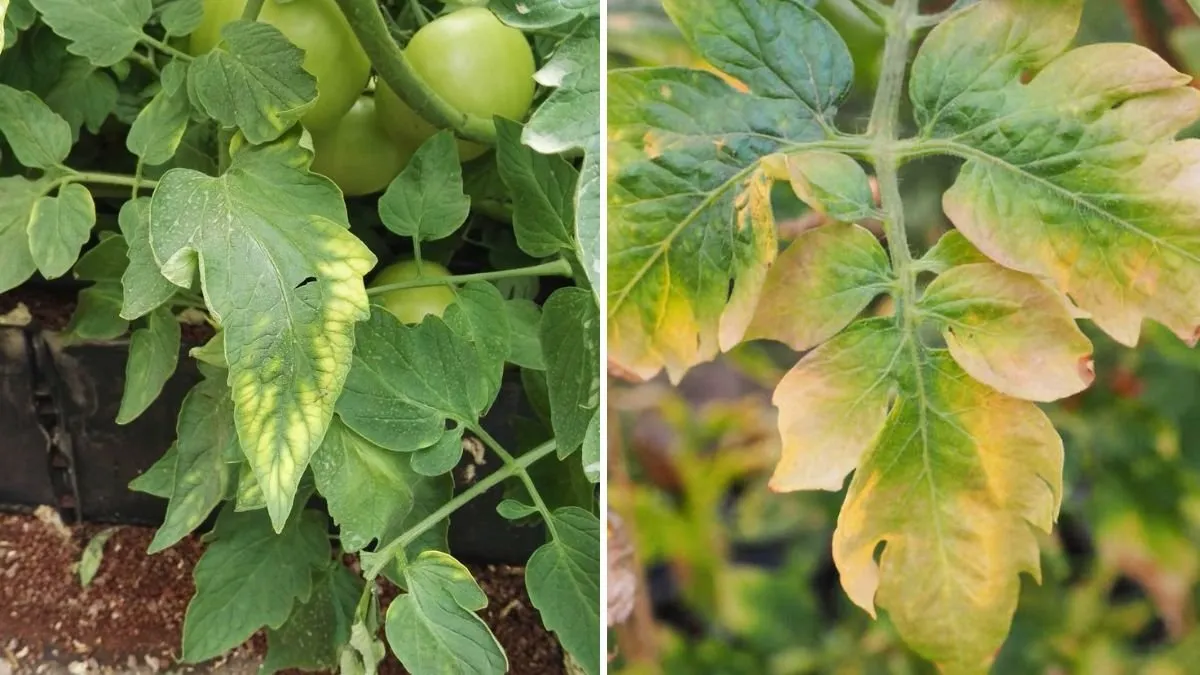
Healthy, vibrant plants depend on a balance of essential nutrients to grow, flower, and produce fruit. These nutrients are divided into macronutrients and micronutrients, each serving unique functions. Macronutrients like nitrogen, phosphorus, potassium, calcium, magnesium, and sulfur are needed in larger amounts for growth, structure, and energy production. Micronutrients such as iron, zinc, manganese, boron, and copper are required in smaller quantities but are just as vital for processes like photosynthesis and enzyme activation. A shortage of even one element can affect leaf color, stem strength, root development, and yield. Detecting deficiencies early ensures that your plants stay healthy and continue to thrive.
How Can You Recognize Nutrient Deficiencies in Plants?
Different nutrients cause distinct symptoms when missing. Nitrogen deficiency shows as yellowing of older leaves and overall pale growth, since nitrogen fuels chlorophyll production. Phosphorus deficiency appears as dark green or purplish leaves and delayed flowering because phosphorus supports root and bloom development. Potassium deficiency leads to browning leaf tips and weak stems, while calcium shortage causes distorted new leaves or blossom end rot in tomatoes. Magnesium deficiency often shows as yellowing between the veins of older leaves, and iron deficiency causes young leaves to turn yellow while veins remain green. Observing these symptoms closely can help you identify which nutrient your plant lacks.
What Causes Nutrient Deficiencies in Plants?
Deficiencies often result from poor soil quality, incorrect pH, or overwatering. In sandy soils, nutrients can leach away quickly after rain or irrigation. Compact or cold soils may block phosphorus and calcium absorption. Overly acidic soil limits calcium and magnesium uptake, while alkaline soil reduces iron availability. Overfertilizing can also create imbalances by preventing certain nutrients from being absorbed. Understanding your soil’s characteristics and how plants interact with it helps you prevent these problems before they start.
How Can You Fix Nitrogen, Phosphorus, and Potassium Deficiencies?
When nitrogen levels are low, apply compost, manure, or nitrogen-rich fertilizers. Organic options like fish emulsion or alfalfa meal also work well. For phosphorus deficiencies, use bone meal, rock phosphate, or superphosphate to encourage healthy roots and blooms. If potassium is lacking, apply potash or potassium sulfate. Mulching with compost helps retain these nutrients and prevents them from washing away. Always avoid applying too much fertilizer, as excess nutrients can damage roots and contaminate groundwater.
What Should You Do About Calcium, Magnesium, and Iron Deficiencies?
Calcium deficiency often affects fast-growing plants. Add gypsum or lime to restore balance, and ensure good drainage to prevent calcium lockout. For magnesium shortage, mix Epsom salt into the soil or apply it as a foliar spray for quick relief. Iron deficiency is common in alkaline soils. In that case, use iron chelates or acidify the soil slightly with sulfur to improve uptake. Regular feeding with organic compost also helps maintain a steady supply of these key nutrients.
How Can You Detect Micronutrient Deficiencies Early?
Micronutrients may be required in small amounts, but their absence can cause major problems. Zinc deficiency leads to small, misshapen leaves, while manganese deficiency creates yellowing between veins. Boron shortage makes stems brittle, and copper deficiency results in dark green, twisted leaves. Because these symptoms can mimic other issues, testing soil and observing new growth carefully is essential. Most micronutrient deficiencies occur in container plants or in gardens with imbalanced pH. Using a complete fertilizer containing trace elements or supplementing with chelated micronutrients can restore health quickly.
What Tools Help Identify Deficiencies Accurately?
Visual inspection is the simplest way to spot problems early. Pay attention to leaf color changes and whether symptoms appear on old or new leaves. For more precision, use DIY soil test kits that check nitrogen, phosphorus, and potassium levels. Professional soil testing provides a full nutrient profile and pH reading, ideal for large or valuable gardens. Advanced gardeners can use tissue analysis to measure nutrient content inside plants, catching deficiencies before they become visible. Keeping records of fertilizer use, watering, and growth patterns helps connect symptoms to specific causes.
How Can You Correct Deficiencies Safely?
Balanced fertilization is the most effective approach. Choose fertilizers with complete macro- and micronutrients. For rapid recovery, foliar sprays can be used to deliver nutrients directly through leaves. Organic amendments such as compost, manure, and bone meal improve soil structure while feeding beneficial microbes that release nutrients naturally. Adjust soil pH if necessary, as most nutrients are available between pH 6 and 7. Avoid overwatering, which can wash nutrients away, and ensure soil remains consistently moist for steady nutrient absorption.
What Are the Best Ways to Prevent Nutrient Deficiencies?
Prevention is easier than fixing deficiencies. Start with rich, well-draining soil mixed with compost and organic matter. Rotate crops to prevent one plant type from depleting specific nutrients. Match fertilizer type and quantity to each plant’s needs and growth stage. Maintain proper watering habits to prevent leaching or nutrient buildup. Regular soil testing ensures you detect imbalances before they harm plants. Monitoring plant health weekly allows you to make timely corrections and prevent long-term stress.
Are There Times When Deficiencies Can’t Be Reversed?
If deficiencies go unnoticed for too long, some plants may not recover. Severely stunted or discolored plants that don’t respond to feeding likely suffered root damage. In such cases, removing the affected plants may be necessary to protect others. Learning from these outcomes helps refine your gardening practices for future seasons.
How Do Common Plants Show Nutrient Deficiencies?
Tomatoes often display calcium deficiency through blossom end rot, while roses frequently suffer from iron or magnesium shortages that cause leaf yellowing. Houseplants like peace lilies and spider plants may turn pale from nitrogen or magnesium deficiency, especially in old potting soil. Leafy greens such as lettuce and spinach need steady nitrogen and potassium levels for lush growth. Understanding each plant’s nutritional preferences helps you maintain optimal care.
Conclusion
Nutrient deficiencies are one of the most common and preventable causes of poor plant performance. By understanding the roles of key nutrients, recognizing deficiency symptoms, and maintaining a balanced feeding routine, gardeners can ensure vigorous, disease-resistant plants. Early detection and consistent care are the foundations of success. When your plants have the right nutrients in the right amounts, they reward you with strong growth, vivid color, and abundant harvests.
FAQs
Q1: How can I tell if a plant is nutrient-deficient or overfertilized?
Yellowing or browning from the edges inward often signals deficiency, while burnt leaf tips may indicate overfertilization.
Q2: How often should I fertilize my plants?
Most garden plants benefit from fertilizing every 4 to 6 weeks during active growth, depending on soil fertility.
Q3: Can I use household waste like eggshells or coffee grounds to fix deficiencies?
Yes, eggshells add calcium, and coffee grounds provide nitrogen, but use them in moderation to avoid imbalance.
Q4: Do organic fertilizers work as well as synthetic ones?
Organic fertilizers release nutrients slowly, improving soil health long-term, while synthetic ones act faster but need careful dosing.