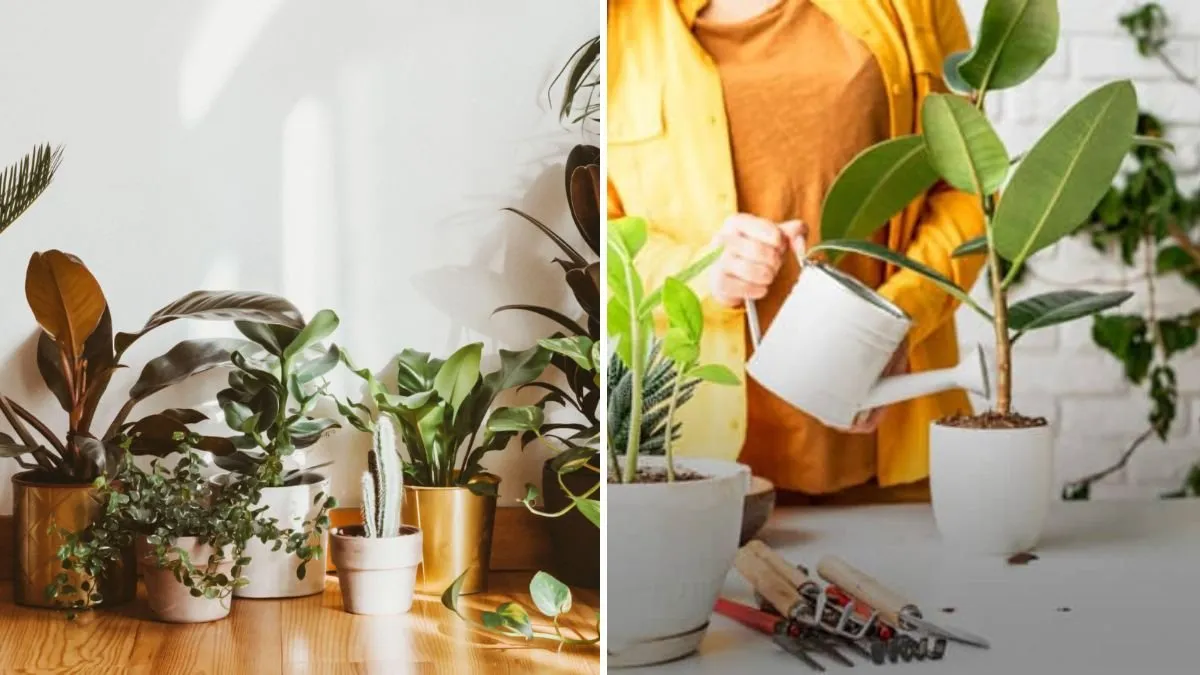
Many gardeners assume that water equals health, but too much of it can quietly destroy a plant from the roots up. Overwatering deprives roots of oxygen, leading to a condition known as root suffocation. When soil stays constantly wet, it becomes a breeding ground for harmful fungi such as Pythium and Phytophthora, which cause root rot. Affected roots turn brown, mushy, and emit a foul smell. Once rot sets in, plants struggle to absorb nutrients and water effectively. Even though the soil looks moist, the plant wilts and declines because the root system is no longer functional.
How Does Overwatering Lead to Nutrient Deficiency?
Excess water leaches essential nutrients like nitrogen, potassium, and phosphorus from the soil. This leaves plants starved of key elements needed for growth, flowering, and fruit production. As a result, leaves turn yellow, stems weaken, and flowers fail to develop. Even when the soil appears rich and damp, nutrient loss can make it infertile over time. Regularly checking soil moisture and feeding plants appropriately can prevent this silent nutrient drain.
What Are the Visible Signs of Overwatering?
Recognizing overwatering early can make the difference between saving and losing a plant. One of the first signs is yellowing leaves, especially near the base. The plant may appear wilted even though the soil is wet. Stems may feel soft or mushy, and leaves can drop unexpectedly. You might also notice white mold, algae, or a sour smell from the potting soil. If you suspect overwatering, gently remove the plant from its pot and examine the roots. Healthy roots are white and firm, while damaged ones are brown or black and soft to the touch.
Which Conditions Make Plants More Vulnerable to Overwatering?
Several factors can increase the risk of waterlogging. Poor drainage is one of the biggest culprits, especially in pots without holes or in compacted garden beds. Using heavy garden soil instead of light, well-aerated potting mix in containers traps water and limits airflow. Watering on a strict schedule instead of responding to plant needs often causes trouble too. Environmental conditions also matter—cool, low-light, or humid environments reduce evaporation, so plants absorb less water than usual. Understanding these conditions helps tailor watering practices for each plant’s environment.
How Can You Prevent Overwatering in Everyday Gardening?
The best prevention starts with knowing your plants. Succulents, cacti, and Mediterranean herbs need minimal watering, while tropical plants prefer consistently moist soil. Research each species’ water preferences and adjust based on the season and growth stage. Always water deeply but infrequently, allowing soil to dry between sessions. For indoor plants, use your finger or a moisture meter to check if the top inch of soil is dry before watering. For outdoor gardens, dig a small test hole to see if the soil below the surface still feels damp.
Why Is Well-Draining Soil Essential for Healthy Roots?
Good drainage is critical for preventing root rot. A well-draining mix allows air to reach roots while releasing excess moisture. Choose soil that includes components like perlite, coarse sand, or bark chips to keep it loose and airy. Avoid compacted garden soil in containers, as it tends to hold water too long. For in-ground gardens, improve drainage by mixing compost or sand into clay-heavy soil. When roots have access to both air and moisture, they stay strong and functional.
How Can You Improve Drainage in Containers and Garden Beds?
Always use containers with multiple drainage holes to allow water to escape. Elevate pots using stands or small blocks to prevent trapped water underneath. If water collects in saucers, empty them promptly to avoid root suffocation. For garden beds, slightly mound the soil or create raised beds to help excess water flow away. These simple steps ensure roots breathe freely and prevent fungal issues before they start.
What Role Does Soil Testing and Observation Play in Avoiding Overwatering?
Observation is the gardener’s best tool. Instead of watering on a routine schedule, let the soil and plant condition guide you. Check soil moisture by touch—if it feels cool and slightly damp, wait before watering again. For precision, use a moisture meter or a wooden skewer; if it comes out clean and dry, it’s time to water. Watching for subtle changes like leaf texture, color, or posture helps you adjust watering frequency naturally.
What Can You Do to Rescue an Overwatered Plant?
If your plant has been overwatered, act fast. Stop watering immediately and let the soil dry out. Remove the plant from its pot and inspect the roots, trimming away any soft, dark sections with sterilized scissors. Repot the plant in fresh, dry, well-draining soil. Keep it in a bright, well-ventilated space, but avoid direct sunlight until recovery begins. Once the plant stabilizes, resume watering only when the topsoil feels dry. Most plants can recover from mild overwatering with prompt care.
How Can You Create a Sustainable Watering Routine?
Consistency and observation are the keys to success. Track your watering habits in a small notebook or digital log to learn each plant’s rhythm. Rotate pots occasionally for even light exposure and soil drying. Use mulch around garden plants to regulate moisture levels naturally—it slows evaporation while preventing sudden water buildup. During cool seasons or low light periods, reduce watering since plants use less water for growth.
Conclusion
Overwatering remains one of the most common yet preventable causes of plant decline. It weakens roots, flushes away nutrients, and invites pests and diseases. By understanding plant-specific water needs, using breathable soil, ensuring proper drainage, and observing moisture levels carefully, gardeners can keep their plants strong and vibrant. Remember, plants need balance, not excess. In most cases, a little less water means a lot more life.
FAQs
Q1: How often should I water my indoor plants?
Most indoor plants need watering every 7–10 days, but always check soil dryness first rather than following a schedule.
Q2: Can overwatering kill plants instantly?
Not instantly, but it weakens roots over time. Prolonged soggy soil leads to root rot and eventual plant death.
Q3: Should I water plants daily during summer?
Only if the soil dries quickly. Check moisture levels before watering, especially for potted and outdoor plants.
Q4: How can I fix compacted garden soil that causes poor drainage?
Mix in compost, coarse sand, or perlite to loosen the soil and improve aeration.