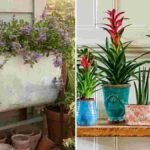

Container gardening is the practice of growing plants in portable containers instead of traditional ground beds. It’s perfect for urban living, apartments, or homes with limited outdoor areas. Whether you have a sunny balcony, a small patio, or even just a windowsill, you can grow vegetables, herbs, and flowers in containers. This method gives you control over soil quality, water use, and plant health. It also makes gardening accessible to anyone, even without a backyard, and can be done at minimal cost with creative solutions.
What Are the Main Benefits of Container Gardening?
Container gardening has several advantages that make it both practical and rewarding.
- Space Efficiency: Makes use of small areas like rooftops, patios, or balconies.
- Soil Control: You can tailor soil conditions for each plant’s needs.
- Mobility: Containers can be moved for sunlight, protection, or aesthetic arrangement.
- Reduced Pests: Limits exposure to soil-borne diseases and common garden pests.
- Low Cost: With recycled containers and homemade soil, it’s affordable for beginners.
How Can You Find Inexpensive Containers?
You don’t need fancy pots to start a container garden. Many budget-friendly options work just as well.
- Recycled Household Items: Old buckets, plastic tubs, jars, or tin cans can easily be repurposed as planters.
- Upcycled Wooden Boxes or Pallets: Use leftover wood or furniture parts to create rustic planters.
- Dollar Store Pots: Affordable and available in various sizes for herbs or flowers.
- Plastic Bottles: Cut large bottles in half and use them for seedlings or herbs.
- Egg Cartons: Excellent for starting seeds and fully biodegradable.
Tip: Ensure every container has drainage holes to prevent root rot. If it doesn’t, drill small holes or add a gravel base.
How Do You Prepare Affordable Soil for Containers?
Good soil is vital for healthy growth, but you don’t need expensive store-bought potting mix.
- DIY Soil Mix: Combine garden soil, compost, and sand in a 2:1:1 ratio for balance and drainage.
- Homemade Compost: Use kitchen scraps like fruit peels, vegetable waste, and coffee grounds.
- Coconut Coir or Peat Moss: Improves moisture retention without overspending.
- Leaf Mold: Shredded decomposed leaves make a nutrient-rich, no-cost soil additive.
Tip: Avoid using plain garden soil alone as it can compact in containers and block drainage.
Which Plants Are the Most Budget-Friendly for Container Gardens?
Choosing affordable, fast-growing, and high-yield plants keeps your costs low and productivity high.
Vegetables and Herbs:
- Leafy greens such as lettuce, kale, and spinach thrive in small pots.
- Herbs like basil, parsley, mint, and chives are easy to grow and continuously harvestable.
- Radishes, carrots, and peppers grow well in shallow containers.
- Cherry tomatoes are compact and productive for small spaces.
Flowers and Ornamentals: - Marigolds, pansies, and petunias add color and are low-maintenance.
- Succulents are decorative, drought-resistant, and perfect for beginners.
Tip: Starting from seeds instead of mature plants saves money and allows more variety.
What Are Some Low-Cost Watering Solutions?
Watering efficiently helps plants thrive and conserves resources.
- Self-Watering Bottles: Insert an upside-down bottle with holes in the cap into the soil for slow, steady moisture.
- Wicking System: Use cotton strings to draw water from a nearby container into the pot.
- Tray Reservoirs: Place containers on shallow trays filled with water to allow bottom-up absorption.
- Mulching: Cover the soil with straw, shredded paper, or leaves to retain moisture.
Tip: Check soil moisture regularly; container soil dries faster than garden soil, especially in hot climates.
How Can You Fertilize Plants Without Spending Much?
Instead of buying expensive fertilizers, you can feed your plants naturally.
- Eggshells: Add crushed shells for calcium and improved soil structure.
- Banana Peels: Chop and bury them to provide potassium and phosphorus.
- Compost Tea: Soak compost in water for a few days to create a nutrient-rich liquid fertilizer.
- Used Tea Leaves or Coffee Grounds: Sprinkle lightly for trace nutrients.
Tip: Use small amounts frequently—too much fertilizer can harm plants.
How Can You Maximize Space Using Vertical Gardening?
When space is limited, going vertical can multiply your planting area.
- Stacked Pots: Place smaller containers on top of larger ones to form a vertical tower.
- Hanging Baskets: Perfect for trailing plants, strawberries, or herbs.
- Wall Gardens: Attach recycled bottles or jars to walls or fences.
- Pallet Gardens: Repurpose old wooden pallets to create multi-tier planting beds.
Benefits: Saves space, improves sunlight exposure, and adds a decorative touch to your balcony or patio.
What Maintenance Habits Keep a Budget Garden Thriving?
Regular care ensures that your plants remain healthy and productive without added costs.
- Pruning and Harvesting: Remove dead leaves and harvest often to encourage new growth.
- Pest Control: Use natural repellents like neem oil, soap spray, or companion herbs.
- Crop Rotation: Change plant varieties each season to maintain soil nutrients.
- Reuse Materials: Repurpose pots, bottles, and trays for multiple seasons.
- Monitor Soil Moisture: Prevent both overwatering and drought stress.
What Are Some Creative DIY Gardening Ideas That Save Money?
- Eggshell Seed Starters: Start seedlings in eggshells and plant them directly into pots later.
- Tin Can Herb Gardens: Decorate used cans for herbs on your kitchen windowsill.
- Bottle Towers: Stack plastic bottles vertically to grow multiple vegetables in limited space.
- Community Seed Swaps: Exchange seeds with neighbors or local gardeners to expand your variety for free.
Why Is Budget Container Gardening Worth Trying?
Container gardening on a budget proves that creativity can replace expensive tools and supplies. By recycling containers, preparing DIY soil mixes, and using natural fertilizers and irrigation systems, you can grow a lush, productive garden anywhere. This method saves money, reduces waste, and promotes sustainable living. Whether you want fresh herbs, homegrown vegetables, or colorful flowers, container gardening offers flexibility, affordability, and the satisfaction of growing your own green space even in the heart of the city.