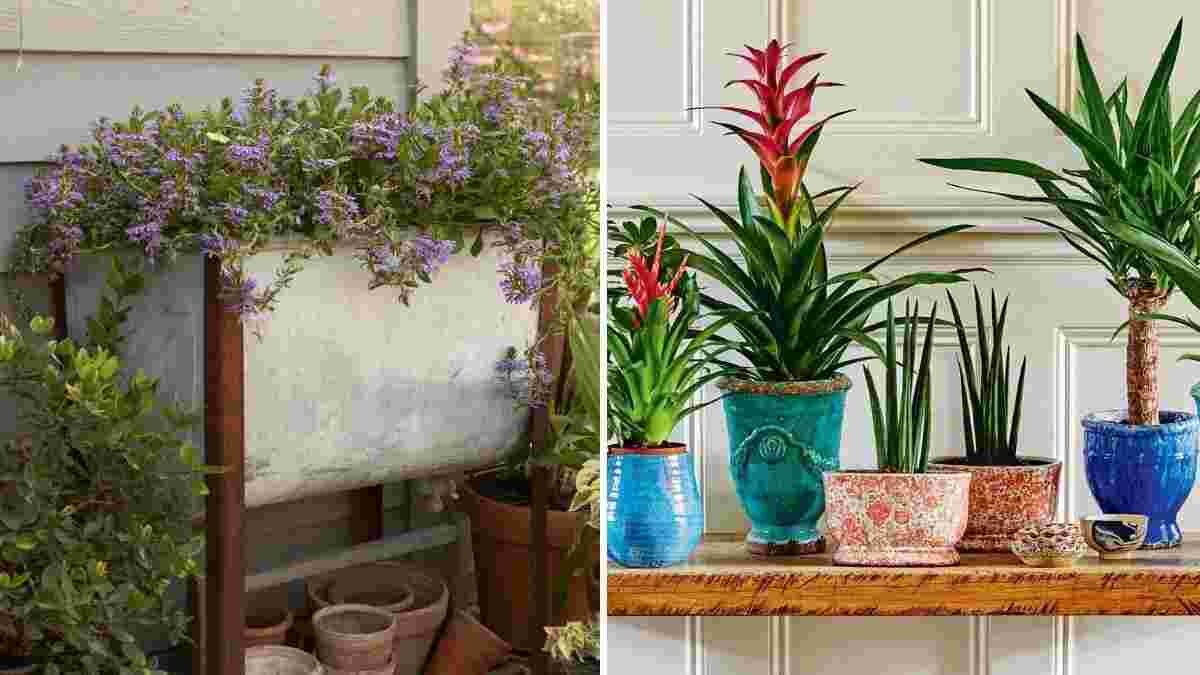
Upcycling is one of the most practical and eco-friendly ways to start or expand your garden. Instead of throwing away containers, bottles, or old furniture, you can transform them into unique planters. This method not only saves money but also adds a touch of creativity and personality to your gardening space. Using household items reduces landfill waste, supports sustainability, and gives old materials a second life. Moreover, these DIY planters can easily fit into small spaces like balconies, patios, or windowsills, making gardening accessible for everyone—even in urban settings.
How Can Tin Cans Be Repurposed for Gardening?
Tin cans are simple, versatile, and readily available in most homes. They come in different sizes, making them ideal for herbs, succulents, or small flowering plants.
How to Use:
- Clean the can thoroughly to remove any food residue.
- Punch 3–5 drainage holes in the bottom using a nail or screwdriver.
- Optionally, paint the exterior or decorate it with twine for a rustic look.
- Fill with potting soil and plant your chosen herbs or flowers.
Benefits: - Lightweight and easy to move.
- Perfect for indoor gardens or balcony displays.
- Can be grouped or hung for creative arrangements.
Tips: Label cans using chalk paint or markers for easy identification and a stylish finish.
How Can Plastic Bottles Become Space-Saving Planters?
Plastic bottles are one of the most common and easiest materials to reuse in gardening. They can be turned into hanging or vertical planters, perfect for small apartments or tight spaces.
How to Use:
- Rinse and clean the bottle completely.
- Cut it horizontally or cut out a window-like section on one side.
- Create drainage holes at the bottom or along the sides.
- Fill with lightweight soil and add your seeds or seedlings.
- Hang using rope or stack vertically to form a bottle tower.
Benefits: - Great for vertical gardening in small spaces.
- Lightweight and portable.
- Transparent bottles allow you to observe root development.
Tips: Mix and match different bottle sizes for layered planting, combining herbs, leafy greens, and flowers for visual appeal.
How Can Wooden Crates Be Turned into Rustic Planters?
Old wooden crates or boxes can be converted into charming, large planters ideal for patios or small backyards. Their rustic look blends well with garden landscapes and provides ample space for multiple plants.
How to Use:
- Sand rough edges and line the inside with landscape fabric to hold soil.
- Drill 3–5 drainage holes at the bottom.
- Fill with nutrient-rich potting mix and plant herbs, vegetables, or ornamentals.
Benefits: - Large enough for a mix of plants or small vegetable gardens.
- Sturdy and long-lasting when treated properly.
- Adds a natural, rustic look to outdoor decor.
Tips: Use non-toxic wood sealant to extend the crate’s lifespan and prevent water damage.
Can Old Teapots, Mugs, and Bowls Be Used as Planters?
Old kitchenware such as teapots, mugs, and bowls can make charming mini-planters for succulents, herbs, or small flowering plants. They add color, character, and creativity to your home decor.
How to Use:
- If possible, drill or poke small drainage holes at the bottom.
- Add a thin layer of gravel before filling with succulent soil or potting mix.
- Plant cacti, herbs, or ornamental succulents.
- Place on kitchen windowsills, tabletops, or shelves.
Benefits: - Perfect for small indoor plants.
- Encourages artistic and decorative gardening.
- Ideal for gifting or home decor projects.
Tips: Group multiple mugs or teapots together on a tray to create a coordinated miniature garden.
How Can Old Drawers and Cabinets Be Repurposed as Planters?
Unused drawers or cabinet sections can be transformed into large or tiered planters, providing ample room for herbs, greens, or decorative plants.
How to Use:
- Remove any hardware or handles that interfere with planting.
- Drill proper drainage holes at the base.
- Line the inside with plastic or landscape fabric for durability.
- Fill with soil and arrange plants according to size and sunlight needs.
Benefits: - Ideal for raised or stacked gardening setups.
- Reuses bulky furniture pieces sustainably.
- Creates a striking focal point in garden or balcony designs.
Tips: Paint drawers in bright colors or patterns for added visual appeal, and stack them in a tiered formation for a vertical effect.
What Should You Keep in Mind When Using Upcycled Planters?
Proper preparation ensures long-lasting and healthy plants.
- Drainage: Always ensure containers have drainage holes or a gravel layer to prevent root rot.
- Soil Choice: Use well-draining potting mix suitable for the plant type.
- Plant Match: Pair plant size with container capacity. Herbs and succulents need less space, while vegetables require deeper soil.
- Watering: Since small containers dry quickly, monitor moisture and use mulch to retain humidity.
- Decoration: Personalize your planters with paint, wrapping, or creative finishes that match your decor theme.
Why Are Upcycled Planters a Smart Gardening Choice?
Upcycled planters combine creativity, functionality, and sustainability in one solution. They minimize costs, reduce household waste, and provide endless design possibilities. Using items like tin cans, bottles, crates, teapots, and drawers gives each planter its own story and charm. Beyond the aesthetic value, these recycled containers help reduce environmental impact while offering practical growing spaces for herbs, flowers, and vegetables.
What Are Some Creative DIY Ideas for Upcycled Planters?
- Hanging Bottle Herb Garden: Hang several plastic bottles on a balcony railing for a vertical herb setup.
- Mug Succulent Wall: Mount colorful mugs on a wooden board for an eye-catching indoor display.
- Drawer Herb Bed: Stack drawers to create a tiered herb garden in small kitchens or patios.
- Crate Patio Planter: Arrange lined wooden crates to form a mini raised bed for vegetables.
- Tin Can Fairy Garden: Paint small cans and fill them with moss, flowers, and tiny decorative pieces.
How Does Upcycling Enhance Sustainable Gardening?
Repurposing household items into planters reflects an environmentally conscious lifestyle. It reduces plastic waste, encourages recycling, and teaches the importance of sustainable choices. Whether decorating your balcony with teapot succulents or creating a crate garden on your patio, these simple DIY solutions turn discarded items into sources of life and beauty. Upcycling proves that gardening doesn’t need to be expensive—it just needs creativity, resourcefulness, and care for the planet.